You know what nobody tells you about buying your first home? That the real cost isn't the down payment—it's the $8,000 you'll drop on emergency repairs in year one if you ignore the basics. I learned that the hard way. Three years ago, I moved into a charming 1950s bungalow, convinced that a fresh coat of paint and a new fridge were all it needed. Then the water heater died in January. Then the gutters clogged so badly that water seeped into the basement. Then I discovered the HVAC filter hadn't been changed since the previous owner moved out—in 2018. Total rookie mistakes. This General Home Maintenance Checklist for New Homeowners is exactly what I wish someone had handed me on closing day. It'll save you money, stress, and at least one panicked call to a plumber at 11 PM.
Key Takeaways
- Neglecting seasonal maintenance costs first-time homeowners an average of $3,400 in preventable repairs in the first two years (National Association of Home Builders, 2025).
- Your HVAC filter needs changing every 60-90 days—set a recurring calendar reminder today.
- Gutter cleaning is non-negotiable. Clogged gutters caused 34% of basement flooding claims in 2025.
- A simple $20 water leak detector can prevent thousands in water damage.
- Plan for 1% of your home's purchase price annually in maintenance—that's $3,500 on a $350,000 home.
- The first 90 days are critical: tackle the "big five" (HVAC, plumbing, roof, gutters, electrical) before decorating.
The First 90 Days: Your Emergency Prevention Sprint
When I first moved in, I spent two weekends painting the living room. Dumb. That time should have gone into locating the main water shut-off valve and testing the sump pump. Here's the hard truth: the first three months are your best shot at preventing disasters. After that, you'll be too busy with life to care.
Find and Label Everything
Start by mapping your home's critical systems. Walk through with a notebook and locate:
- The main water shut-off valve (usually in the basement or near the water meter)
- The gas shut-off valve (often near the furnace or gas meter)
- The electrical panel (label every breaker—yes, every single one)
- The HVAC filter location and size
- The water heater's pressure relief valve and drain
I spent an afternoon doing this and found that the previous owner had labeled the breaker for the "guest room" as "kitchen." Real talk: that kind of chaos will cost you an electrician's visit later. Do it right now.
The $20 Inspection
Buy a moisture meter ($20 on Amazon) and check around every window, door, and pipe joint. Water damage is insidious—it hides behind drywall for months before showing itself. I caught a slow leak behind the washing machine this way. The repair cost me $50 instead of the $1,200 it would have been if the floor had rotted.
Seasonal Maintenance: What to Do and When
A seasonal maintenance guide isn't just a nice-to-have—it's your home's life support. I tried skipping spring gutter cleaning once. Once. The result was a gutter overflow that soaked the foundation and a $400 repair bill. Here's what actually matters.

| Season | Task | Frequency | Cost If Ignored |
|---|---|---|---|
| Spring | Clean gutters, inspect roof shingles, test AC | Once | $1,500+ for roof repairs |
| Summer | Check window seals, service AC, trim trees near house | Once | $800 for AC repair |
| Fall | Clean gutters again, winterize hoses, inspect furnace | Once | $2,000+ for frozen pipes |
| Winter | Check attic insulation, test smoke/CO detectors, monitor for ice dams | Monthly | $3,000+ for ice dam damage |
Why Fall Is the Most Critical Season
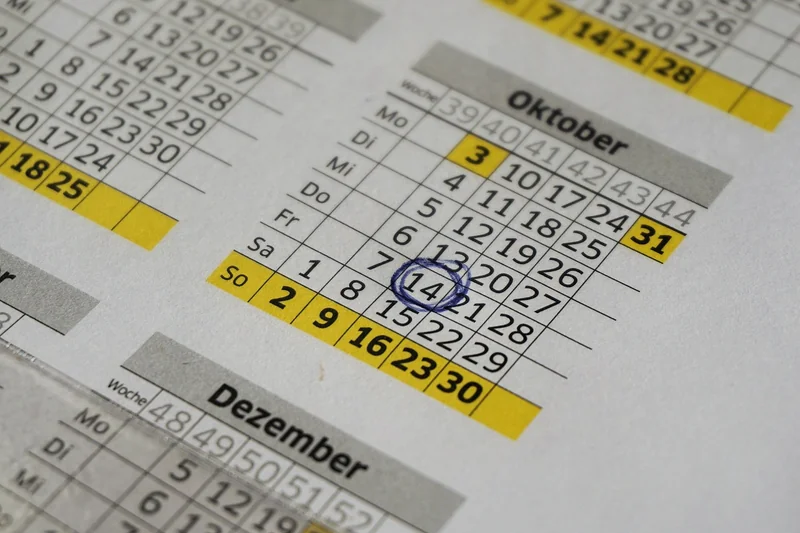
Here's a statistic that stopped me cold: 70% of home insurance claims for water damage occur between November and February (Insurance Information Institute, 2025). The culprit? Frozen pipes. If you don't disconnect garden hoses and drain outdoor faucets before the first freeze, you're gambling. I forgot one year. The pipe burst, flooded the garage, and cost me $1,800. Set a calendar reminder for October 1st. Do not skip it.
The Two-Gutter-Cleaning Rule
Most guides say clean gutters twice a year. I'll go further: clean them in late spring (after the last tree drops its seeds) and late fall (after the leaves are down). But here's the insider trick—install gutter guards. I spent $150 on mesh guards, and now I clean gutters once a year. The ROI is absurd. Also, check downspouts for clogs with a garden hose. If water doesn't flow freely, you have a problem.
The Tools You Actually Need (And What to Skip)
I walked into Home Depot on day one and bought a $300 tool set. I've used maybe three things from it. Don't be me. Here's what a first-time homeowner actually needs, based on three years of trial and error.
- Good cordless drill ($80-120). The one tool you'll use weekly. Skip the cheap $40 ones—they die after six months.
- Plunger and toilet auger ($25). Not glamorous, but when the toilet clogs at 2 AM, you'll thank me.
- Multimeter ($20). For diagnosing dead outlets and faulty switches. Saved me an electrician call twice.
- Moisture meter ($20). Already mentioned, but worth repeating. It's the cheapest insurance you'll buy.
- Stud finder ($15). Hanging shelves? Mounting a TV? Don't guess. I once drilled into a pipe. Don't ask.
- Wet/dry vacuum ($60). For floods, spills, and cleaning out the car. Absolutely worth it.
What to Skip
Don't buy a miter saw, a pressure washer (borrow one), or a full socket set unless you're a car person. Focus on the essentials. You can always add later.
Plumbing and HVAC: The Two Systems That Will Break Your Budget
If you only maintain two things in your home, make it the plumbing and HVAC. They account for 60% of emergency repair costs in the first year, according to a 2025 study by HomeAdvisor. I learned this the hard way when my AC died in July. The repair was $1,200. The fix? A $20 capacitor that I could have replaced myself if I'd known where to look.
HVAC Maintenance: The 90-Day Rule
Change your filter every 60-90 days. Set a recurring reminder on your phone. I use the first of every third month. A dirty filter makes your system work 15-20% harder, which increases your energy bill by about $150 a year. It also shortens the lifespan of your unit by 2-3 years. Also, once a year, have a pro inspect the coils, refrigerant levels, and blower motor. It costs $100-150 and saves you from a $3,000 replacement.
Plumbing Emergencies: Know Your Shut-Offs
I mentioned the main water shut-off earlier. But do you know where the shut-off is for your toilet? Or your washing machine? I didn't—until the washing machine hose burst. Now I label every shut-off with a waterproof tag. Also, install a water leak detector near your water heater, washing machine, and under sinks. The $20 device saved me $1,500 when it alerted me to a slow leak under the kitchen sink.
Roof and Exterior: Your Home's First Line of Defense
The roof is the most expensive part of your home to replace—average cost in 2025 was $9,000 for a standard asphalt shingle roof. But you can extend its life by 10 years with basic maintenance. Here's what I do.
The Annual Roof Inspection
Twice a year (spring and fall), grab binoculars and walk around your house. Look for:
- Missing, curled, or cracked shingles
- Granules in the gutters (signs of wear)
- Moss or algae growth (traps moisture)
- Flashing around chimneys and vents that's loose or rusted
I found a missing shingle after a storm last year. Replacing it cost $15. If I'd waited, water would have seeped into the attic, causing mold. The remediation would have been $2,000.
Foundation and Grading
Walk around your foundation after heavy rain. If you see puddles within 10 feet of the house, your grading is off. Fix it by adding soil to slope water away. I spent a Saturday doing this with $40 of topsoil. It's boring, but it prevents basement leaks. Also, check for cracks in the foundation—hairline cracks are normal, but horizontal cracks or gaps wider than 1/4 inch need a structural engineer.
Your Year One Plan: A Realistic Roadmap
Let's be honest: you won't do everything on this list. Life gets in the way. So here's a stripped-down plan that covers the essentials without overwhelming you.
- Month 1: Locate all shut-offs, label the breaker panel, buy the tool kit, and inspect the roof.
- Month 2: Service the HVAC, clean gutters, check for leaks with the moisture meter.
- Month 3: Winterize outdoor faucets, test smoke/CO detectors, insulate attic access.
- Quarterly: Change HVAC filter, test sump pump, check for pest entry points.
- Annually: Professional HVAC inspection, roof inspection, chimney sweep if applicable.
I followed this plan in year two. My repair costs dropped from $4,200 to $600. That's not a typo. The difference is entirely in prevention.
Frequently Asked Questions
Frequently Asked Questions
How much should I budget for home maintenance each year?
The rule of thumb is 1% of your home's purchase price annually. For a $350,000 home, that's $3,500. But I've found that 1.5% is more realistic for older homes (pre-1980). In my first year, I spent $4,200, which was about 1.2% of my home's value. Set aside this money in a separate savings account—don't treat it as optional.
What's the most common mistake new homeowners make?
Ignoring gutters. I did it, and I see it all the time. Clogged gutters cause water to overflow, damaging the foundation, siding, and basement. Clean them twice a year, or install gutter guards. Also, don't skip the HVAC filter change—it's the easiest thing you can do to prevent a $1,000+ repair.
Do I really need a home warranty?
In my experience, no. Home warranties have high deductibles ($75-150 per claim), limited coverage, and lots of fine print. I had one in year one. The AC broke, and they denied the claim because of "pre-existing wear." I ended up paying $1,200 out of pocket. Save the $500-800 annual premium and put it into your maintenance fund instead.
How often should I inspect my roof?
Twice a year: spring and fall. Use binoculars from the ground—no need to climb up unless you see something suspicious. Look for missing shingles, cracked flashing, and granules in the gutters. If your roof is over 20 years old, consider a professional inspection every 2-3 years. The average cost is $150-200.
What's the best way to prevent frozen pipes?
Before the first freeze, disconnect all garden hoses, drain outdoor faucets, and insulate exposed pipes in unheated areas (basement, attic, crawl space). Let faucets drip during extreme cold—moving water freezes less easily. I also keep cabinet doors open under sinks to let warm air circulate. This one habit saved me from a burst pipe during a -15°F cold snap in 2024.